
Maybe you noticed it in the mirror. Your gums look puffy and red, they bleed a little when you brush, or one spot feels sore when you chew. Swollen gums are a common reason people call a dentist, and the cause is often simple and easy to fix. But swollen gums can also be an early warning sign that something needs attention.
Table of Contents
ToggleIn this guide, we explain the most common causes of swollen gums, what you can safely do at home, and when it’s time to see a dentist. If your gums are bothering you now, the team at My Tooth Docs is here to help.
What Do Swollen Gums Look Like?
Healthy gums are usually firm and pale pink (healthy gum color can be naturally darker in some people). They fit snugly around each tooth and don’t bleed when you brush or floss.
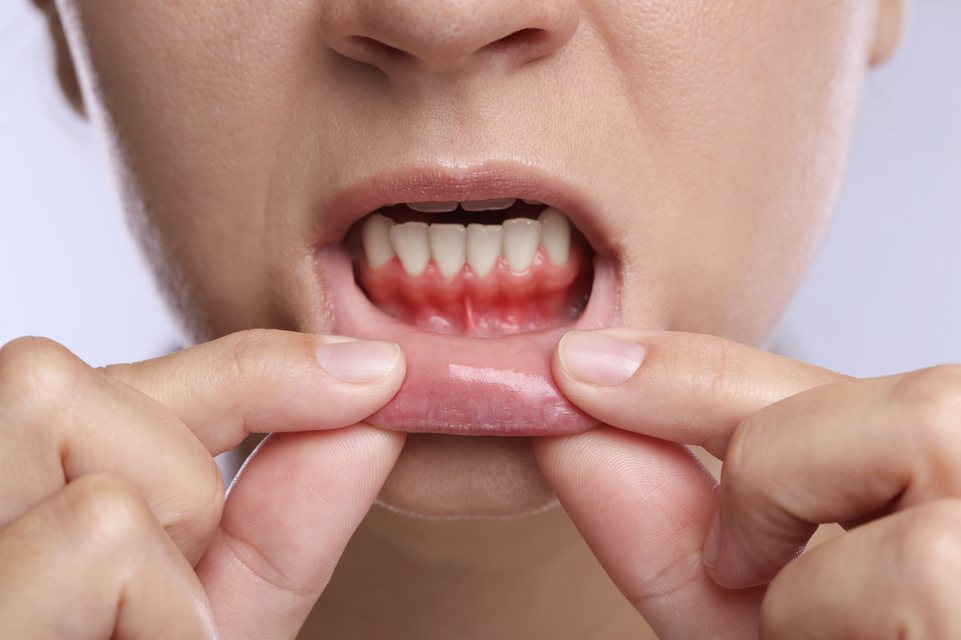
Swollen or inflamed gums often:
- Look puffy, shiny, or darker red than usual
- Feel tender or sore, especially when you brush or chew
- Bleed easily when you brush or floss
- Seem to pull away from the teeth
- Come with bad breath or a bad taste that won’t go away
Swelling can show up all along your gumline, or in just one spot, like around one tooth or in the back of your mouth. Where the swelling is can give your dentist a clue about what’s causing it.
What Causes Swollen Gums?
If you’re wondering, “Why are my gums swollen?”, here are the most likely reasons. According to Cleveland Clinic, gum disease (gingivitis) is the most common cause. Other causes include dental problems like an abscessed tooth, hormone changes, and dental appliances that don’t fit well.
1. Gingivitis (Early Gum Disease)
This is the most common cause. When plaque, a sticky film of bacteria, builds up along the gumline, your gums react by getting red, puffy, and prone to bleeding. That’s gingivitis. The good news is that gingivitis can usually be reversed with a professional cleaning and better daily brushing and flossing.
If it’s left alone, gingivitis can turn into periodontitis, a more serious form of gum disease that affects the bone holding your teeth in place. According to the Centers for Disease Control and Prevention (CDC), about 4 in 10 U.S. adults age 30 and older have some level of periodontitis. Learn more in our post on the early signs of gum disease.
2. Food Stuck Around One Tooth
Swollen gums around one tooth are often caused by something as simple as a popcorn hull or a small piece of food stuck under the gum. Gently flossing around the tooth can help. If the swelling doesn’t go down in a day or two, have it checked.
3. A Dental Abscess or Infection
An abscess is a pocket of infection, often at the root of a tooth or in the gum. It may cause a swollen bump on the gum, throbbing pain, a bad taste, or pus. An abscess won’t heal on its own and needs to be treated by a dentist. Treatment may include draining the infection or a root canal.
If you’ve noticed a pimple-like spot, read our guide to a bump on the gum.
4. Wisdom Teeth Coming In
Swollen gums in the back of the mouth are often linked to wisdom teeth. When a wisdom tooth only partly breaks through, a flap of gum can trap food and bacteria. This problem, called pericoronitis, can lead to swelling, pain, a bad taste, and trouble opening your mouth. A dentist can check whether the tooth needs care or wisdom tooth removal.
5. Pregnancy and Hormone Changes
Hormone changes during pregnancy can make gums more sensitive to plaque. According to the CDC, pregnant women are more likely to develop gingivitis, and regular dental care is safe at any stage of pregnancy. So keep up with your checkups, and let us know you’re expecting. Hormone changes at other times, such as puberty and menopause, can have a similar effect.
6. Braces and Other Dental Appliances
Swollen gums with braces are common, because brackets and wires make it harder to clean along the gumline. Dentures, bridges, or crowns that don’t fit well can also rub and irritate the gums. Extra-careful cleaning usually helps, and your dentist can check the fit and adjust or replace anything that isn’t right.
7. Other Causes
Less often, swollen gums may be linked to:
- Some medications, including certain blood pressure and seizure medicines
- Low levels of vitamin C or B vitamins
- Health conditions such as diabetes
- Mouth infections, such as oral thrush
- Brushing too hard with a stiff toothbrush
Where Is Your Gum Swelling? A Quick Guide
Where the swelling shows up can point toward the cause. Use this table as a starting point, not a diagnosis.
| Where you notice it | Common cause | What to do first |
|---|---|---|
| All along the gumline, with bleeding | Plaque buildup (gingivitis) | Brush and floss gently, and book a cleaning |
| Around one tooth | Trapped food or an infection | Floss gently, and get it checked if it lasts more than a day or two |
| In the back of your mouth | A wisdom tooth coming in | See a dentist, especially if there is pain or trouble opening your mouth |
| Around braces, dentures, or crowns | Trapped plaque or a poor fit | Clean carefully, and ask your dentist to check the fit |
| During pregnancy | Hormone changes plus plaque | Keep up cleanings, and tell your dentist you’re expecting |
| A pimple-like bump with a bad taste | A dental abscess | See a dentist soon, because it won’t heal on its own |
Are Swollen Gums a Sign of Cancer?
This is a common worry. Most swollen gums are caused by plaque, trapped food, or a dental infection, not cancer. However, the National Institute of Dental and Craniofacial Research advises seeing a dentist or doctor if you have a sore, lump, or white or red patch in your mouth for more than two weeks.
The exam at My Tooth Docs includes an oral cancer screening that takes about two minutes, so it’s easy to have anything unusual checked.
How to Treat Swollen Gums at Home
Swollen gums treatment at home can ease mild swelling and help your gums heal while you wait for a dental visit. Here’s what helps:
- Brush gently twice a day with a soft-bristled toothbrush and fluoride toothpaste. Angle the bristles toward the gumline.
- Floss once a day. Your gums may bleed at first. That usually gets better as the swelling goes down.
- Rinse with warm salt water. Mix about half a teaspoon of salt in a cup of warm water, swish gently, and spit.
- Use a cold compress on the outside of your cheek to ease pain and puffiness.
- Drink water and eat well, including fruits and vegetables with vitamin C.
- Avoid tobacco, which irritates gums and slows healing.
For pain, an over-the-counter pain reliever like ibuprofen or acetaminophen may help. Follow the label directions, and check with your doctor or pharmacist if you’re pregnant or take other medicines. Never place an aspirin tablet directly on your gums, because it can irritate the tissue and cause mouth sores.
What’s the fastest way to heal swollen gums? The fastest way is to remove the cause. Home care can’t remove hardened tartar, so if plaque or tartar is to blame, a professional cleaning removes the buildup that brushing can’t reach, and gums often start to feel better soon after.

When to See a Dentist About Swollen Gums
Book a dental visit if:
- Your swollen gums haven’t improved after about one to two weeks of good home care, or they’re getting worse
- Your gums bleed often when you brush or floss
- Swelling keeps coming back in the same spot
- Your gums are pulling away from your teeth
- You have bad breath that doesn’t go away
- A tooth feels loose, or your bite feels different
Get care right away if you have severe pain, a swollen face or jaw, fever, pus, or trouble swallowing or opening your mouth. These can be signs of a spreading infection. At our Naperville office, we hold same-day space for emergencies, so call our emergency dentist in Naperville right away. If you have severe facial swelling or trouble breathing or swallowing, go to the nearest emergency room, or call 911.
To book an exam for gums that stay swollen, call our Naperville office at (630) 690-1406 or our South Holland office at (708) 333-2909, or use our contact page.
Not sure what’s behind your swollen gums? Our team can help you find the cause.
How Do Dentists Treat Swollen Gums?
Treatment depends on what’s causing the swelling. At My Tooth Docs, we start by finding the cause, then explain your options in plain language.
- A gentle exam. We look at your gums, measure the space between your gums and teeth (called pocket depth), and take digital X-rays if needed to check the bone.
- Professional cleaning. For gingivitis, a cleaning to remove plaque and tartar, part of our general dentistry care, is often all you need, along with good home care.
- Deep cleaning (scaling and root planing). If gum disease has gone below the gumline, a deep cleaning removes buildup from the tooth roots so the gums can heal. It’s done under local numbing, and ultrasonic scaling helps make it efficient and comfortable.
- Treating infection. An abscess may need drainage, a root canal, or other care. Antibiotics may be used in some cases.
- Fixing the source. That could mean adjusting a denture, replacing an old crown, or treating a problem wisdom tooth.
If you’ve had gum treatment, your dentist may recommend maintenance visits, often every three to four months, to keep the gums healthy. To learn more about our gum care, visit our periodontics page.


How to Prevent Swollen Gums
The simplest way to keep your gums healthy is with a few daily habits:
- Brush twice a day for two minutes with a soft brush
- Clean between your teeth once a day with floss, a water flosser, or interdental brushes
- Replace your toothbrush every three to four months
- Don’t smoke or vape
- Visit your dentist for regular checkups and cleanings
Regular visits matter because tartar can’t be removed by brushing alone, and early gum disease is often painless. Catching it early keeps treatment simple. For more everyday habits, see our post on 10 essential tips for keeping your teeth healthy.
Frequently Asked Questions
Why are my gums swollen?
The most common cause is gingivitis, which happens when plaque builds up along the gumline. Other causes include food stuck under the gum, an infection, wisdom teeth, pregnancy, braces, ill-fitting dentures, and some medications. The table above can help you match where the swelling is with the likely cause.
How long do swollen gums take to heal?
Mild swelling from gingivitis often improves within a week or two of good brushing and flossing, especially after a professional cleaning. After a deep cleaning, your gums may feel tender for a day or two. If your gums are still swollen after two weeks, see a dentist.
Can swollen gums go away on their own?
Sometimes, for example when the swelling is caused by trapped food. But swelling from gum disease or infection usually needs professional care to fully heal. If it hasn’t improved in about two weeks, or it keeps coming back, get it checked.
Why are my gums swollen in the back of my mouth?
A wisdom tooth that is only partly through the gum is a common reason. A flap of gum can trap food and bacteria, which causes swelling, pain, and sometimes a bad taste. Plaque can also build up on back teeth because they’re harder to reach with a brush. See a dentist soon, and get care right away if you have a fever, a swollen face, or trouble opening your mouth.
Is it normal to have swollen gums with braces?
Mild swelling is common with braces because they make cleaning harder. Brushing carefully around brackets and using a water flosser can help. Let your dentist know if it doesn’t improve.
Are swollen gums normal during pregnancy?
They’re common. The CDC notes that pregnant women are more likely to develop gingivitis, because hormone changes can make gums react more strongly to plaque. Dental care is safe at any stage of pregnancy, so keep your cleanings and checkups, and tell your dentist you’re expecting.
Does treatment for swollen gums hurt?
A routine cleaning for gingivitis is usually comfortable. A deep cleaning is done under local numbing, so you should feel pressure and vibration rather than pain, and it’s often split across two visits. Your gums may be tender for a day or two afterward.
How much does gum treatment cost?
It depends on the cause. A cleaning for mild gingivitis costs less than a deep cleaning. As a national reference range (not a quote), scaling and root planing typically runs about $200 to $400 per quadrant, and most mouths need two to four quadrants treated.
Many dental plans cover part of gum treatment, often 50 to 80 percent for scaling and root planing, and we verify your benefits before treatment. Your exact plan is priced in writing after your exam.