
NAPERVILLE, IL · ROUTE 59
Dental Implants in Naperville, IL
Replace one tooth, several teeth, or a full smile with dental implants that look, feel, and chew like your own — planned and placed start-to-finish by our own doctors. Free, no-obligation consultation.
★★★★★ 5.0 on Google · 1,100+ Five-Star Reviews


What Are Dental Implants?
- Looks, feels, and chews like a natural tooth
- Protects your jawbone and facial structure
- No slipping, no adhesives, no special maintenance
- Can last for decades with good daily hygiene
One Missing Tooth or Many — There’s an Implant for That
Every smile is different. At your free consultation we’ll take 3D scans and map the option that fits your mouth, your goals, and your budget.
Single Tooth Implant
One implant, one custom crown. The missing tooth is replaced without touching the healthy teeth beside it — unlike a bridge. Best if: you’re missing or about to lose one tooth.
Multiple Teeth & Bridges
A few strategically placed implants can anchor a fixed bridge that replaces several teeth in a row — far more stable than a removable partial. Best if: you’re missing several teeth in one area.
Full-Arch (All-on-X)
Four to six implants support a full, fixed arch of teeth — often placed with teeth the same day . Best if: most or all of your teeth are missing or failing.
Why Implants Beat Bridges and Dentures
Our patients put it best: “I feel like I got my life back.” With documented success rates above 95%, dental implants are the most reliable investment you can make in your smile.
- No damage to healthy neighboring teeth
- Stimulates your jawbone like a natural root
- Documented success rates above 95%


3D-Guided Placement, Gentle Experience
- 3D CBCT scan before we ever begin
- Computer-guided placement — precise and predictable
- Sedation options for anxious patients
How Implants Compare to Bridges & Dentures
| Feature | Dental Implant | Dental Bridge | Removable Denture |
|---|---|---|---|
| Replaces the tooth root | ✓ Yes | ✗ No | ✗ No |
| Neighboring teeth untouched | ✓ Yes | ✗ Ground down | ✓ Yes |
| Preserves jawbone | ✓✓ | ✗ | ✗ Bone loss continues |
| Typical lifespan | Decades | 7–15 years | 5–8 years |
| Feels natural | Near-natural | Good | Varies |
| Daily care | Brush like natural teeth | Special floss threaders | Remove nightly to soak |
Missing a full arch? Compare All-on-X full mouth dental implants.
The Benefits of Dental Implants
Eat What You Love
Steak, apples, corn on the cob — implants restore near-natural chewing power.
Protects Your Jawbone
Implants stimulate bone like natural roots, preventing the sunken look missing teeth cause.
Natural Look & Feel
Custom crowns are shaped and shaded to your smile — most people will never know.
Speak With Confidence
Nothing shifts or clicks — your speech stays clear and natural.
No Collateral Damage
Neighboring healthy teeth stay untouched — unlike bridges.
Built to Last
With good hygiene and check-ups, implants can last for decades.
Are You a Candidate for Dental Implants?
- One or more missing, loose, or failing teeth
- Tired of a bridge or partial that never felt right
- A gap you’ve been hiding in photos for years
- Ready for a fixed solution you never take out
- Told you have bone loss — modern techniques often work around it
Health factors like gum disease, smoking, or diabetes don’t automatically rule you out — they just shape the plan. We review your health history, take 3D scans, and recommend implants only when they’re truly the right option for you.
Told You Don’t Have Enough Bone?
You’re not automatically out. Bone grafting, sinus lifts, and strategically angled implants let us treat patients who were turned away years ago. A quick 3D CBCT scan at your free consultation gives you a clear, honest answer.
Your Dental Implant Journey, Step by Step
01
Free Consultation
02
Implant Placement
03
Healing & Fusion
04
Your New Crown
05
Lifelong Care
What Do Dental Implants Cost in Naperville?
It’s the first question most patients ask — and you deserve a straight answer. Nationally, a single implant with its crown typically runs from about $3,000 to $6,500 (a national reference range, not a quote). Your exact investment at My Tooth Docs is confirmed at your free consultation — one transparent quote with no surprises. For a full price breakdown by treatment, see dental implant cost in Naperville. Your quote reflects:
- Implant, abutment, and crown materials
- Any extractions or bone grafting your case needs
- How many teeth you’re replacing
- Sedation choice, 3D imaging & follow-up care — included
Monthly Payments That Fit Your Budget
Split your treatment into predictable monthly payments through Cherry financing — a quick application with an instant decision. Most patients are surprised how affordable a fixed new smile can be month to month.
Advanced Technology, Gentle Care
3D CBCT Imaging
Your whole case is planned digitally before we ever touch your smile.
Guided Placement
Implants go exactly where the plan says — precise, safe, predictable.
Sedation Dentistry
Anxious? Sedation options keep you calm and comfortable.
One Team, One Roof
Surgery, temporaries, and final teeth — all by doctors you know.
Why Patients Choose My Tooth Docs
- Advanced 3D imaging & guided implant technology
- Sedation options for a calm, comfortable visit
- Transparent pricing & flexible monthly financing
- One team for surgery, temporaries & final teeth
- Evening & Saturday appointments available
“It feels amazing to be able to smile again!”
— Antoinette, dental implant patient at My Tooth Docs
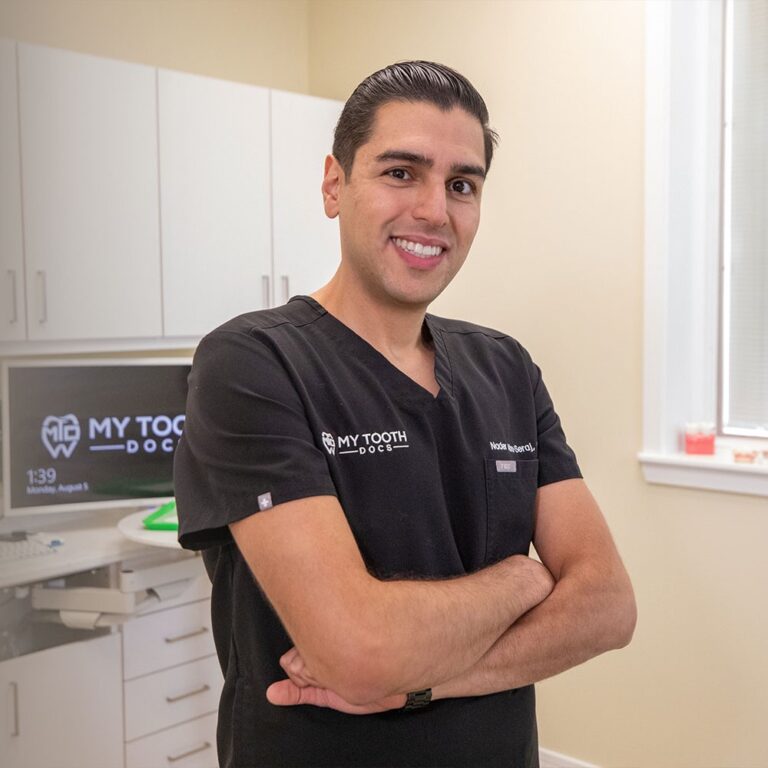
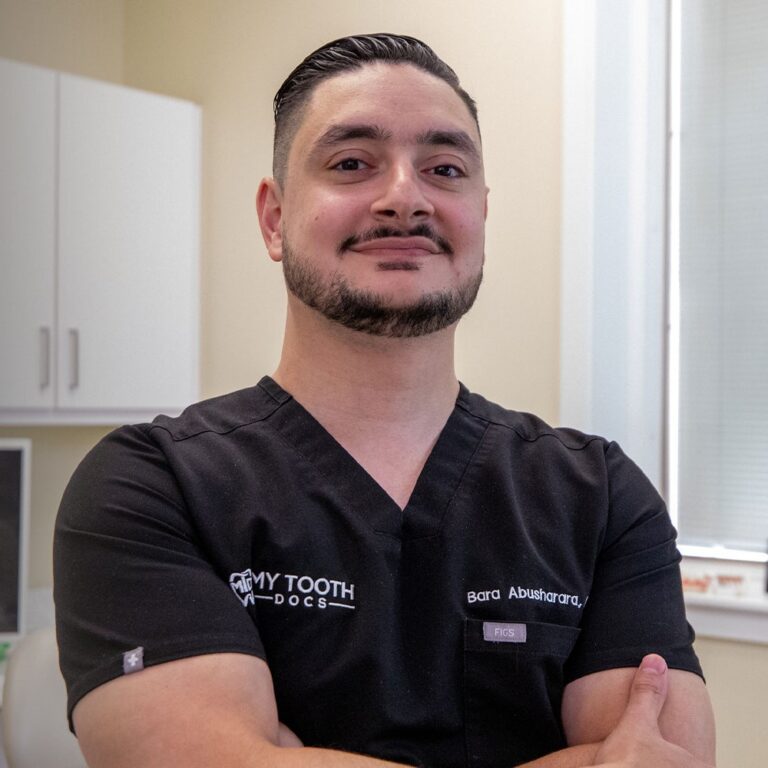
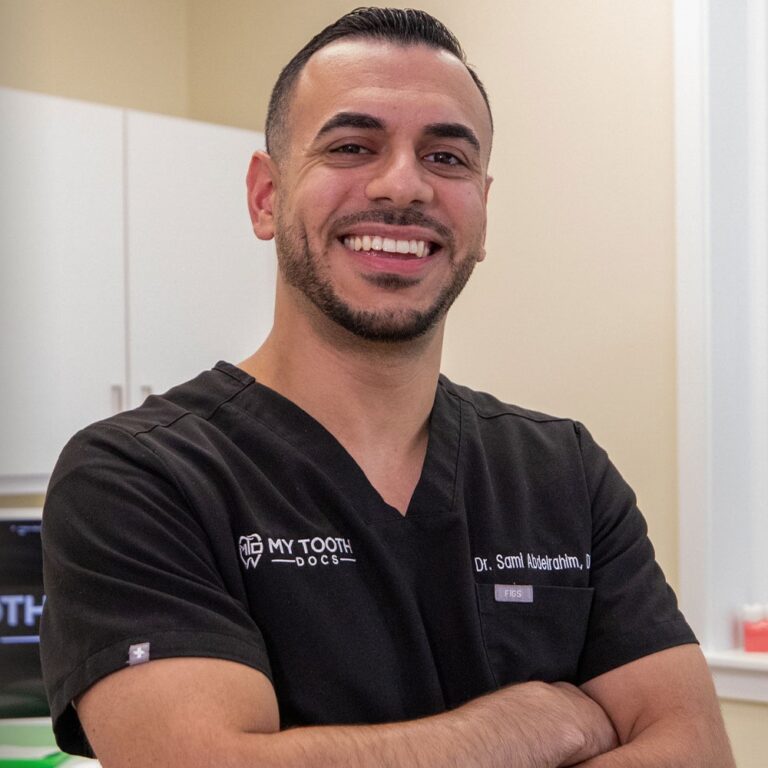
Meet the Doctors Behind Your New Smile
Dental Implants in Naperville — FAQ
Nationally, a single implant with its abutment and crown typically ranges from about $3,000 to $6,500 depending on materials and whether extractions or bone grafting are needed. We give you an exact, personalized quote at your free consultation, and flexible monthly financing through Cherry keeps treatment affordable.
Coverage varies. Many plans contribute toward parts of the treatment — such as the crown, extractions, or imaging — even when they don’t cover the implant post itself. Our team reviews your benefits, helps you maximize them, and explains financing for any balance.
Yes. Dental implants have been used for over 50 years and are one of the most studied treatments in dentistry, with documented success rates above 95%. We add another layer of safety with 3D CBCT imaging and computer-guided placement.
Most patients report less discomfort than they expected — often comparing it to a routine filling. The area is fully numbed, sedation options are available if you’re anxious, and mild soreness afterward is usually managed with over-the-counter medication.
The implant itself can last for decades — often a lifetime — with good daily hygiene and regular check-ups. The crown on top may need replacing after 10–15 years of normal wear.
Typically three to six months from placement to final crown, most of which is quiet healing time while the implant fuses with your bone. Some cases qualify for faster timelines — your 3D scan tells us what’s possible.
Not always. If you’ve been missing teeth for a while, some bone loss is normal, but grafting, sinus lifts, and angled-implant techniques mean very few patients are truly out of options. Your CBCT scan gives a definitive answer at the consultation.
An implant replaces the tooth without grinding down the healthy teeth beside it, preserves your jawbone, and typically lasts far longer. A bridge can be faster upfront but usually needs replacement every 7–15 years. We’ll show you both options honestly — including costs — so you can decide.
Often, yes. Gum disease is treated first so your implant has a healthy foundation, and well-controlled diabetes is rarely a barrier. These factors shape the plan rather than rule you out.
Full-arch options like All-on-4 and All-on-6 replace an entire arch on just four to six implants — often with a fixed temporary arch the same day as surgery. It’s usually far more efficient than replacing every tooth individually.
A snap-on denture clicks onto two to four implants and comes out nightly for cleaning — a stable, budget-friendlier option. Fixed implant teeth stay in permanently. Many patients compare both at their consultation before deciding.
Exactly like a natural tooth: brush twice a day, floss, and keep up with regular hygiene visits. No soaking, no adhesives, no special routines.