Gum disease is one of the most widespread problems facing dentistry worldwide today. However, gum disease is also one of the problems that gets overlooked too easily. This is because when it comes to early-stage gum disease, pain is a rare occurrence, which means that people often choose to wait until it becomes unbearable before seeking treatment. However, there is hope here. If you get an early diagnosis of gum disease, chances are that you will reverse it.
Here are the early signs of gum disease that you should never overlook.
What Is Gum Disease?
Plaque accumulating below your gum line is the main cause of periodontal disease. Ignoring good hygiene prompts gum irritation and gingival infection.
The progression of this disease can lead to the following:
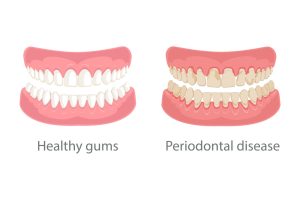
- Gingivitis. This is the initial stage. This stage of periodontal disease is reversible. There is gum inflammation and redness; however, the jawbone remains unaffected.
- Periodontitis. This is the second and irreversible stage of periodontal disease. In this stage, the gingival infection spreads beyond the gum line, leading to the infection of the jawbone.
At this stage, the ochronological goal, once these signs and symptoms have been recognized, is to remain in the gingivitis stage of periodontal disease to ensure that the rest of the gums remain healthy.
Early Warning Signs You Shouldn’t Ignore
1. Bleeding gums when you brush or floss
A little pink in the sink is not normal. Healthy gums don’t bleed. Bleeding gums are usually the very first sign of gingivitis — and the easiest one to brush off.
2. Red, swollen, or tender gums
Healthy gums are firm and pale pink. Swollen gums that look puffy, shiny, or red — or feel sore to the touch — mean inflammation is already underway.
3. Persistent bad breath
Bacteria below the gumline release toxins that cause chronic bad breath or a lingering bad taste. If mints and mouthwash aren’t fixing it, the cause may be your gums.
4. Gum recession or teeth that look longer
As gums recede, more of the tooth becomes exposed, including the root, which patients notice as “my teeth look longer.” This is a sign that should be taken seriously.
5. Tooth sensitivity or pain while chewing
Exposed roots and inflamed tissue can lead to tooth sensitivity to hot, cold, or pressure. Discomfort when you bite down deserves attention.
6. A change in your bite or loose teeth
If your teeth suddenly don’t fit together the way they used to, or one feels slightly loose, the supporting bone may already be affected. This is a sign to be seen quickly.
7. Pus or tenderness around the gumline
Any discharge, swelling, or a small tender bump along the gums points to an active infection and should never wait.
What Are the Causes of Gum Disease?
The root cause is plaque, but several factors raise your risk. The most common causes of gum disease include:
- Inconsistent brushing and flossing
- Smoking or vaping
- Diabetes and other health conditions
- Hormonal changes (pregnancy, menopause)
- Certain medications that reduce saliva
- A family history of gum problems
If a few of these sound like you, consistent dental care and regular check-ups matter even more.

When Should You See a Dentist?
Book an appointment if you notice any of these:
- Bleeding that lasts longer than a week
- Gums that stay red, swollen, or painful
- Gum recession or increasing sensitivity
- Any looseness in your teeth
- Pus, swelling, or a bad taste that won’t clear
A quick exam is far easier — and far less expensive — than treating advanced periodontal disease later.
How to Treat a Gum Infection and Reverse Early Damage
Worried about how to treat a gum infection before it gets worse? The best part of early-stage gum disease is that it responds best to good hygiene.
- Brush twice a day, taking two minutes each time to be thorough with a soft-bristled brush, angled to be more effective along the gums.
- Floss daily to remove plaque between the teeth that a brush is unable to reach.
- Visit your dentist every six months to prevent plaque from hardening into tartar.
- Quit smoking.
- Control your blood sugar if you have diabetes.
With the proper hygiene and frequent professional cleanings, gingivitis is reversible in weeks. For a more advanced infection, the My Tooth Docs team will likely suggest gum restoration with a deeper cleaning. The more you put it off, the worse it’s going to be.
Don’t Wait — Protect Your Smile
Gum disease is sneaky, but it’s also one of the most preventable dental problems there is. The earlier you act, the simpler the fix. If you’ve noticed any of these signs — even something as small as a little bleeding — it’s worth getting checked.
Book your gum health check with My Tooth Docs today. A short visit now can save your smile, your time, and your money down the road.
Frequently Asked Questions
1. Will gum disease go away on its own?
Early gingivitis is reversible with improved oral hygiene. It cannot be resolved naturally. Periodontal disease has no cure. It can only be managed.
2. Are bleeding gums a sign of gum disease?
Bleeding is a sign of gum disease, but it can also be a result of vigorous brushing or an unfamiliar flossing technique. See a doctor if it continues for more than a week.
3. Does gum disease cause pain?
In its early stages, no. In fact, the lack of pain is what causes the symptoms of early gum disease to be ignored.