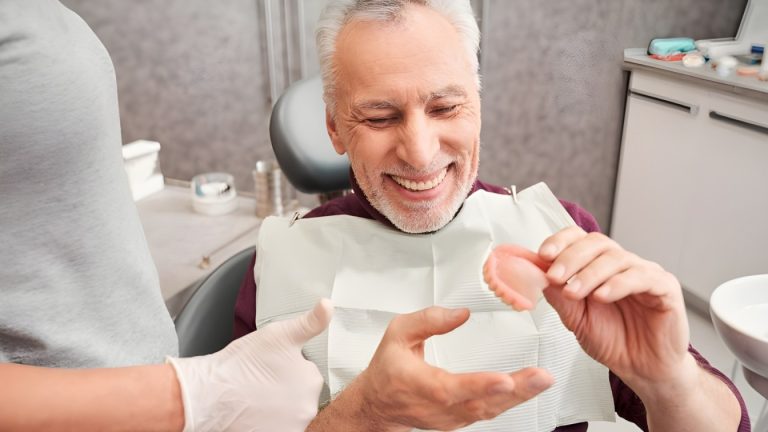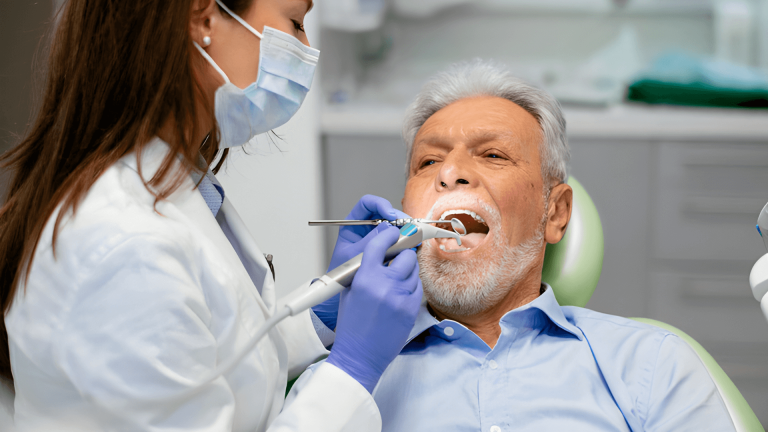

Although they differ with respect to severity and complexity, they all have one thing in common. It is far easier to prevent a dental problem than it is to treat one. Fortunately, the majority of dental issues can be avoided with a few simple daily healthy habits and regular check-ups at My Tooth Docs. This article describes the most common dental issues, their causes, and how to keep your smile healthy and happy.
Why Preventing Dental Problems Matters
Small dental issues that are neglected don’t stay small for long. A small cavity can develop into a painful tooth infection. Early symptoms of gum swelling can lead to bone infection and decay. Focusing on your oral health can even impact other areas of your body – there are a multitude of health problems associated with poor oral health. Giving your dental health some attention now can be more beneficial in the long run for your smile and your wallet. That’s the reason for the foundation of all the items we listed below.
The Most Common Dental Problems (and How to Prevent Each)
1. Tooth Decay and Cavities
Tooth decay is the most common dental issue. Plaque plus sugar means more acid and more enamel erosion. The best way to prevent this is to use fluoride toothpaste and brush and floss regularly. Eat less sugar and schedule cleanings.
2. Gum Disease
Gum disease starts as gingivitis — red, swollen, or bleeding gums — and can advance to periodontitis, which damages the bone supporting your teeth. Prevent it: Brush along the gumline, floss every day, and don’t skip your check-ups. Bleeding gums are an early warning sign of gum disease, so act early.
3. Bad Breath (Halitosis)
Bad breath can be a result of dry mouth, gum disease, bacteria, and other factors, in addition to food. Prevent bad breath by regularly cleaning your tongue, drinking enough water, and flossing to eliminate food debris. Schedule an appointment with your dentist for bad breath that continues despite proper oral hygiene, as it can be a medical condition.
4. Tooth Sensitivity
That sharp twinge from hot, cold, or sweet foods usually means worn enamel or exposed roots. Prevent it: Use a soft-bristled brush, avoid aggressive scrubbing, try a desensitizing toothpaste, and limit acidic foods to ease tooth sensitivity.
5. Enamel Erosion
Acidic foods and drinks — soda, citrus, wine — gradually wear away enamel, which doesn’t grow back. Prevent it: Limit acidic beverages, rinse with water afterward, use a straw, and wait 30 minutes before brushing.
6. Cracked or Chipped Teeth
Teeth can crack from injury, grinding, or biting hard objects like ice. Prevent it: Wear a mouthguard during sports, avoid chewing hard items, and never use your teeth as tools.
7. Teeth Grinding (Bruxism)
Often done unconsciously during sleep, grinding wears down teeth and can cause jaw pain and headaches. Prevent it: A custom nightguard from My Tooth Docs protects your teeth, and managing stress can reduce grinding.
8. Stained or Discolored Teeth
Coffee, tea, wine, tobacco, and aging all dull your smile over time. Prevent it: Limit staining foods and drinks, don’t smoke, and ask about professional whitening for a brighter smile.
9. Oral Cancer
Less common but serious, oral cancer is highly treatable when caught early — yet its early signs are easy to miss. Prevent it: Avoid tobacco, limit alcohol, and get a quick oral cancer screening at your routine dental visits.
How to Keep Teeth Healthy Every Day
Most of these issues come down to the same handful of healthy habits. Here’s how to keep teeth healthy at home:
- Brush twice a day for two minutes with fluoride toothpaste
- Floss daily to clean where your brush can’t reach
- Limit sugar and acidic foods and drinks
- Stay hydrated to keep saliva flowing
- Don’t use your teeth as tools to open packaging or bite hard objects
- Quit smoking and tobacco, which harm both teeth and gums
Strong daily dental hygiene makes a bigger difference than any single treatment.

The Importance of Regular Dental Checkups
Even with great habits at home, professional care is irreplaceable. The importance of regular dental checkups can’t be overstated: visits to My Tooth Docs let us catch problems early — often before you feel anything — remove hardened tartar with a thorough teeth cleaning, and perform important screenings. For most patients, a visit every six months is the sweet spot for prevention.
When to See a Dentist
Don’t wait if you notice any of these warning signs:
- Persistent toothache or tooth pain
- Bleeding, swollen, or receding gums
- A sore or patch that doesn’t heal within two weeks
- Loose teeth or a change in your bite
- Ongoing bad breath or a bad taste
Early treatment is almost always simpler, more comfortable, and less expensive.
Protect Your Smile — Book a Check-Up Today
The most common dental problems are also the most preventable. With consistent daily habits and regular visits, you’ll know exactly how to keep teeth healthy for life. If it’s been a while since your last appointment — or you’ve noticed any warning signs — the team at My Tooth Docs is here to help.
Book your check-up with My Tooth Docs today and take the easiest step toward a healthier, happier smile.
Frequently Asked Questions
1. What is the most common dental problem?
Tooth decay (cavities) is the most common, affecting people of all ages — and it’s largely preventable with good dental hygiene and regular care.
2. How can I prevent cavities?
Brush twice daily with fluoride toothpaste, floss every day, cut back on sugar, and visit your dentist for regular teeth cleaning.
3. How do I fix bad breath?
Brush your tongue, floss, stay hydrated, and see your dentist — persistent bad breath can point to gum disease or another issue.
4. How often should I visit the dentist?
Most people benefit from a check-up and cleaning every six months, though some may need more frequent visits.