
Naperville, Illinois
Wisdom teeth removal, done gently.
Planned on 3D imaging, performed with the sedation you choose. Most appointments are complete within the hour, and most patients are back to normal within days.
- 30–60 minTypical procedure
- 3–5 daysTypical recovery
- FourLevels of sedation
- 1,100+Five-star reviews
Why removal is needed
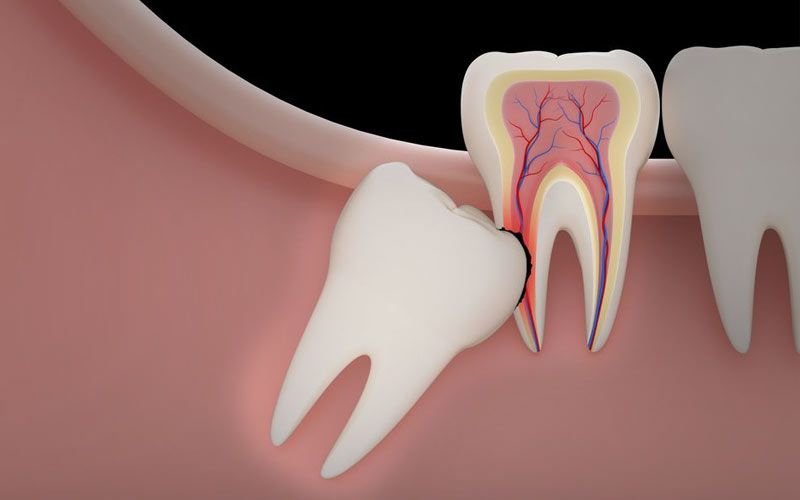
Your jaw simply ran out of room.
Wisdom teeth — the third molars — arrive in the late teens or early twenties, long after the rest of your smile has claimed the space. Most jaws have no room left, so they emerge tilted, partially erupted, or fully trapped in bone.
That is when problems begin: infection around a half-erupted tooth, decay in areas no toothbrush reaches, and crowding pressure on teeth that braces spent years straightening.
- Half-erupted teeth trap bacteria, so infections keep returning
- Crowding pressure can undo years of orthodontic work
- Decay reaches surfaces that cannot be properly cleaned
- Treated early, surgery is simpler and recovery faster
Treatment options
Every wisdom tooth situation, handled.
I
Erupted
Teeth that have come through the gum are removed much like any other molar — typically under an hour, with local anaesthetic and optional sedation.
II
Impacted
Teeth trapped beneath gum or bone require surgical removal, planned precisely on 3D imaging with sedation options from nitrous through to IV.
III
All four at once
One appointment and a single recovery period is the standard approach when several wisdom teeth need removing. Sedation keeps it comfortable throughout.
Your comfort
Sedation, chosen by you.
The treatment area is completely numb either way. Sedation simply decides how relaxed — and how aware — you would like to be.
01
Local anaesthetic
Completely numb and fully awake. Suitable for straightforward, already-erupted teeth.
02
Nitrous oxide
Takes the edge off anxiety and wears off within minutes, so you are able to drive yourself home.
03
Oral sedation
A tablet taken beforehand leaves you deeply relaxed, with only a hazy memory of the appointment.
04
IV sedation
Most patients remember nothing at all, with vital signs monitored throughout the procedure.
What to expect
From consultation to healed.
01
Consultation & 3D scan
Digital imaging shows exactly where each tooth sits — and whether removal is genuinely necessary.
02
Your treatment plan
We confirm which teeth need removing, agree your sedation choice, and provide the full price in writing.
03
The procedure
Typically thirty to sixty minutes, even for all four teeth. You return home the same day with written aftercare.
04
Recovery & review
Most patients are back to school or work within three to five days. A follow-up confirms healing is on track.

Aftercare
The first week, in full.
Most patients are back to normal within three to five days. For the first two days, rest with cold compresses and soft foods — yoghurt, smoothies, mashed potato, eggs. From day three, swelling settles, warm salt-water rinses begin, and normal food gradually returns.
Avoid straws, smoking and vigorous rinsing while the healing clot forms; this is the single most effective way to prevent dry socket. We stay in touch throughout, so you always have someone to call.
- Back to school or work in three to five days
- Written aftercare instructions provided on the day
- Direct phone access to our team throughout recovery
Cost & insurance
Priced in writing, before we begin.
The figures below are national reference ranges rather than a quote. Your exact price is confirmed after your scan, before any treatment is scheduled.
Typically, per tooth
$200 – $700
Straightforward erupted teeth sit toward the lower end of this range; deeply impacted teeth toward the higher end.
All four, with sedation
$1,500 – $4,000
One appointment and one recovery. Imaging, follow-up appointments and healing checks are included in your quote.
Insurance
Problematic wisdom teeth are usually covered as medically necessary treatment, often at 50–80% under dental plans. We verify your benefits first and bill your insurer directly.
Monthly payment plans
Cherry financing splits treatment into predictable monthly payments, with a quick application and an instant decision.
Financing options
When to book
Signs worth having checked.
- Pain, pressure or swelling at the very back of the jaw
- Red, tender or bleeding gums around a back molar
- Jaw stiffness, headaches or difficulty opening wide
- Bad breath or an unpleasant taste that keeps returning
- Front teeth beginning to crowd or shift
If you have no symptoms, an X-ray in the mid-to-late teens is still worthwhile — removal is simpler and recovery faster while the roots are still forming. And if your wisdom teeth have room and are healthy, we will tell you they can stay.
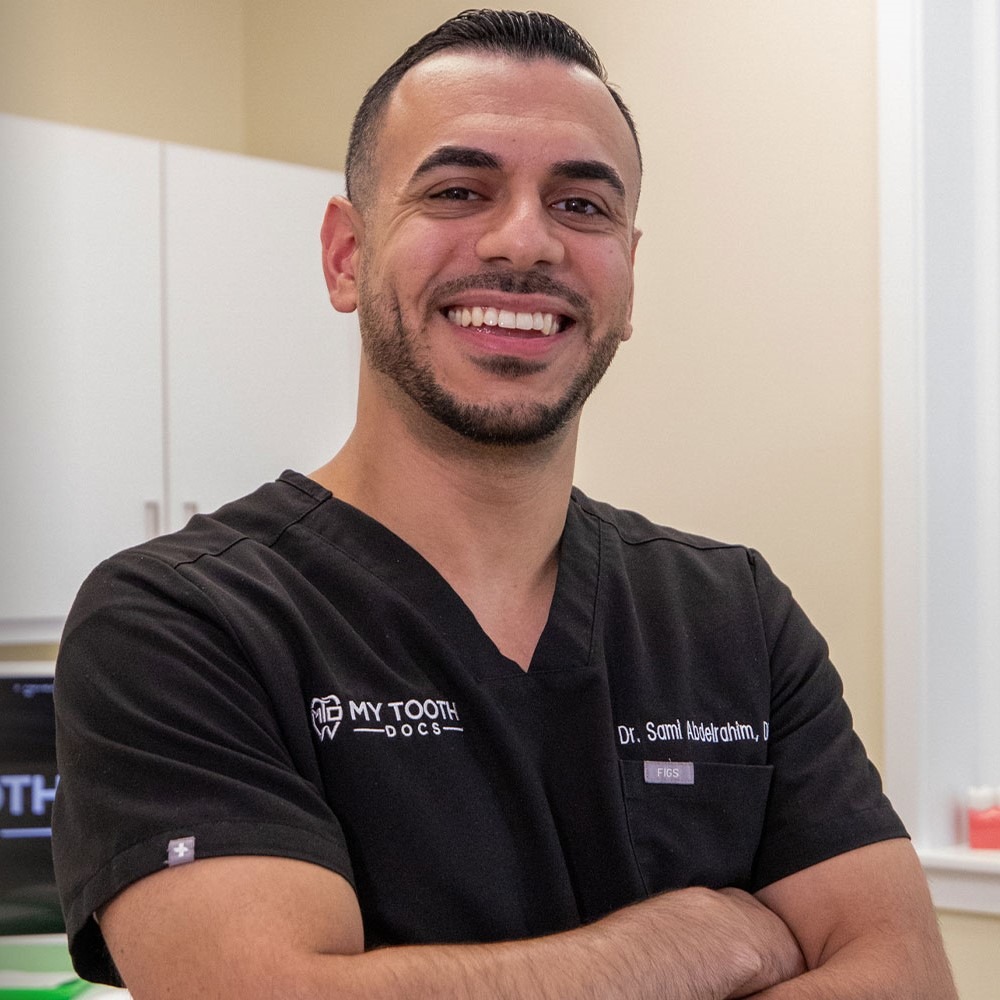
Your dental team
The doctor you consult is the doctor who treats you.
Common questions
Answers, before you ask.
If your question is not here, calling is genuinely quicker — and you will get a straight answer.
How much does wisdom teeth removal cost in Naperville?
Nationally, about $200–$700 per tooth depending on impaction, and roughly $1,500–$4,000 for all four with sedation (reference ranges, not quotes). Insurance usually covers a meaningful share of problematic wisdom teeth, and you’ll have exact written pricing after your scan.
Does wisdom teeth removal hurt?
Not during — the area is completely numbed, and sedation options mean you can be deeply relaxed or barely aware. Afterward, expect a few days of soreness and swelling managed with medication and cold compresses. Most patients say it beat their expectations by a mile.
How long does the procedure take?
Typically 30–60 minutes, even when all four teeth come out in one visit. With sedation, most patients experience it as far shorter.
How long is recovery?
Most patients are back to school or work in 3–5 days, with complete gum healing over a few weeks. The first 48 hours of rest, soft food, and no straws do most of the heavy lifting.
Do all wisdom teeth need to be removed?
No — wisdom teeth with room that erupt cleanly and stay cleanable can absolutely stay. The 3D scan gives an honest answer per tooth; “keep and monitor” is a recommendation we genuinely make.
Will I be asleep during removal?
Your choice. Local numbing alone works fine for simple cases; nitrous adds calm; oral sedation brings deep relaxation; IV sedation means most patients remember nothing. We plan your comfort level with you beforehand.
What can I eat after wisdom teeth removal?
First days: yogurt, smoothies (spoon, not straw), mashed potatoes, scrambled eggs, soup. Then soft pastas and tender foods as comfort allows. Avoid straws, smoking, crunchy and spicy foods until healing is established.
What is dry socket and how do I avoid it?
Dry socket happens when the healing blood clot dislodges, exposing bone — it’s painful but preventable. No straws, no smoking, no vigorous rinsing for the first days. Follow the written aftercare and your odds are excellent; if pain spikes at day 3–4, call us.
What’s the best age for wisdom teeth removal?
Evaluation in the mid-to-late teens, removal (when needed) in the late teens to early twenties — roots are still forming, bone is softer, and recovery is measurably easier. Older adults absolutely can have wisdom teeth removed; it’s just worth planning sooner rather than later.
Can I wait until my wisdom teeth actually hurt?
You can — but pain usually arrives on the tooth’s schedule, not yours, often as an infection during the worst possible week. Planned removal is simpler surgery, easier recovery, and normal pricing. Waiting trades all three away.
Are wisdom teeth causing my crowding?
They can contribute — erupting third molars exert pressure that shifts front teeth, which is especially frustrating after braces or Invisalign. If your front teeth are newly crowding in your late teens or twenties, get the back of your jaw imaged.
Do you treat wisdom tooth emergencies?
Yes — swelling, infection, and severe pain get same-day space at our Naperville office. Call (630) 690-1406; we’ll calm the infection, stop the pain, and plan definitive removal so it never comes back.
Book an appointment
One scan. One honest recommendation.
Book a consultation at our Naperville office for 3D imaging, a straight answer and written pricing. Same-day appointments are available for urgent wisdom tooth pain.