
Root Canal Treatment in Naperville, IL
The toothache ends here. Gentle, modern root canal therapy that removes the infection, saves your natural tooth, and feels far more like a long filling than the horror stories.
★★★★★ Rated 5.0 on Google by 1,100+ Naperville patients

5.0★ on Google
1,100+ Naperville patient reviews
Pain Ends Here
Relief starts the same visit
Saves Your Tooth
Keep your natural smile
On Route 59
11258 IL Rte 59 · Naperville
What Is a Root Canal — Really?
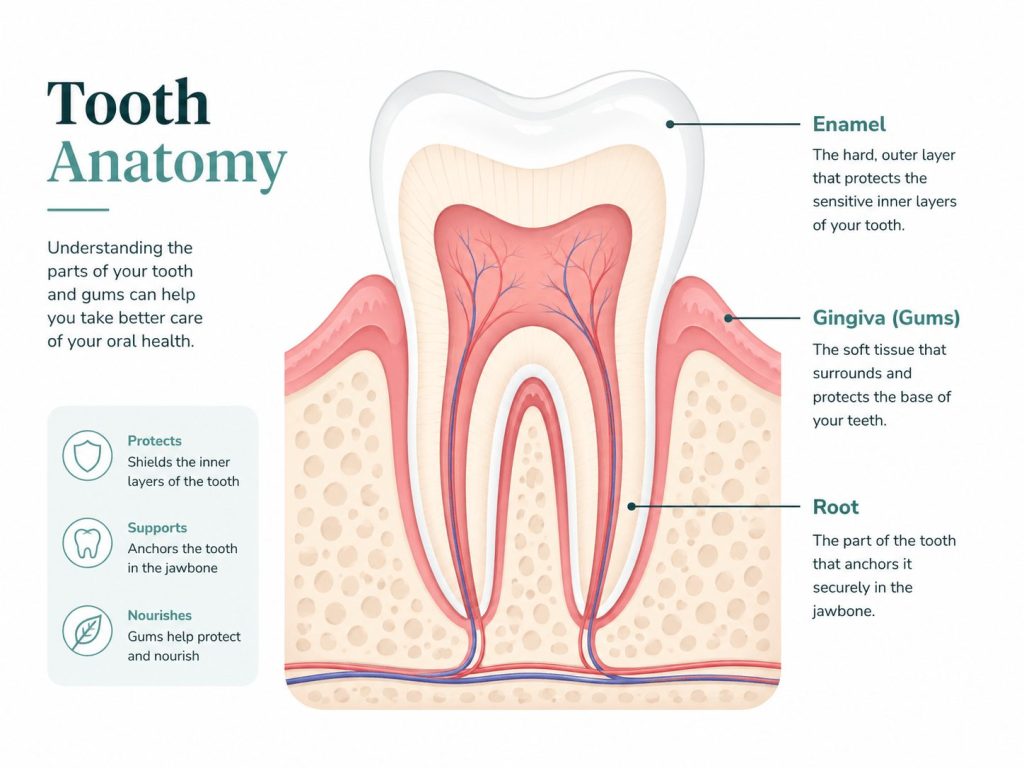
Inside every tooth is soft tissue — the pulp — carrying nerves and blood vessels. When decay, a crack, or trauma lets bacteria reach it, the pulp becomes inflamed or infected. That’s the throbbing, keep-you-up-at-night toothache. A root canal removes the infected tissue, disinfects the canals inside the root, and seals them — keeping your natural tooth.
Here’s the part the reputation gets backwards: the root canal isn’t the pain — the infection is. Modern anesthesia means the procedure itself relieves the agony, and most patients feel dramatically better the same day.
- Removes the infection causing your toothache
- Saves the natural tooth — no extraction, no gap
- Performed under full local anesthesia
- Usually finished in one or two visits
Root Canal Care for Every Situation
Different teeth — and different histories — call for slightly different treatment. All of it happens gently, with your comfort managed throughout.
Front Teeth
Single-rooted front teeth are the simplest cases — often one visit, with the tooth restored by a filling and looking untouched.
Best (news) if: the problem tooth shows when you smile.
Molars & Premolars
Back teeth have multiple curved canals and do the heavy chewing — thorough cleaning matters most here, and a crown afterward protects your investment.
Best if: a back tooth is throbbing — the most common case.
Retreatment
A root canal done years ago (elsewhere) acting up again? Retreatment cleans and reseals the canals, frequently saving the tooth a second time.
Best if: an old root-canaled tooth has new pain or swelling.

What Actually Happens in the Chair
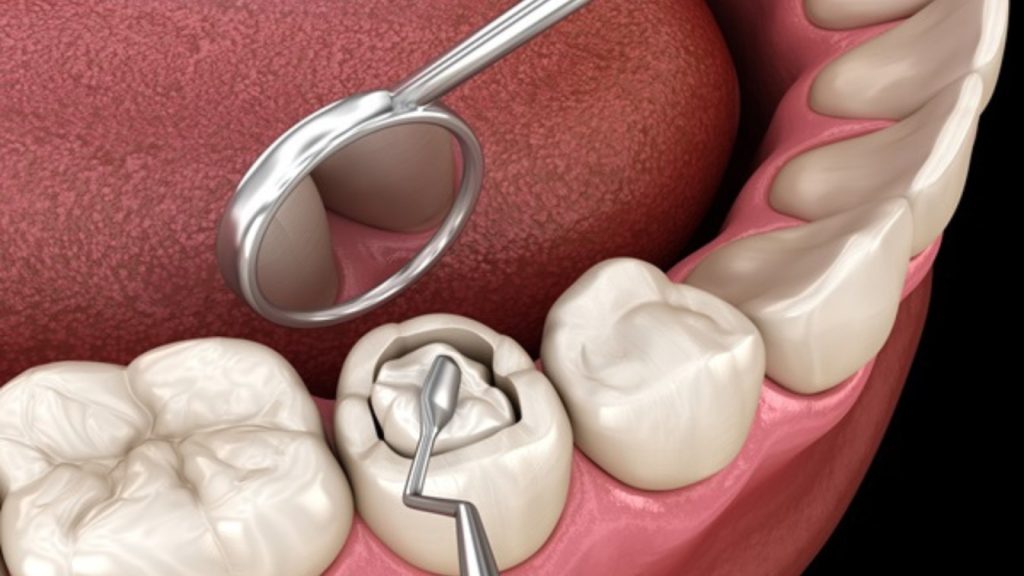
First, we numb the tooth completely — you feel pressure, not pain. Through a small opening, the inflamed pulp is removed, each canal is cleaned, disinfected, and shaped, then filled with a biocompatible material and sealed against reinfection.
Most visits run 60–90 minutes — patients regularly compare it to a long filling appointment, and plenty are surprised enough to say so out loud. Anxious anyway? Sedation options from nitrous to deeper calm are available.
- Complete numbing before anything starts
- Infection removed, canals disinfected & sealed
- Comparable to a long filling — not the horror stories
After the Root Canal: Protecting the Tooth
Expect mild soreness for a few days — over-the-counter medication handles it, and the deep throbbing pain is already gone. The treated tooth then needs its permanent restoration: front teeth often just need a filling, while molars usually need a crown, because treated back teeth become brittle under chewing forces.
Don’t skip that last step — the crown is what turns a successful root canal into a tooth that lasts for decades.
- Mild soreness only — the throbbing is gone
- Molars get a crown to prevent fracture
- A restored root-canaled tooth can last decades
Root Canal vs. Extraction — The Honest Math
| Root Canal + Crown | Extraction Alone | Extraction + Implant | |
|---|---|---|---|
| Keeps your natural tooth | ✓ Yes | ✗ No | ✗ Replaced |
| Leaves a gap | ✗ No | ✓ Yes — teeth drift | ✗ No |
| Chewing strength | Near-normal | Reduced | Near-normal |
| Timeline | 1–2 visits + crown | 1 visit | 3–6 months |
| Long-term cost | Moderate | Low now, high later | Highest |
| Jawbone impact | Preserved | Bone loss begins | Preserved |
When a tooth truly can’t be saved, we’ll say so — and show you the implant and bridge options honestly.
Why Save the Tooth?
The Pain Stops
Root canals end toothaches — usually the very same day.
Nothing Beats Natural
Your own tooth chews, feels, and looks better than any replacement.
Infection Contained
Stops bacteria from spreading to bone, gums, and neighboring teeth.
No Gap, No Drift
Neighboring teeth stay put — no shifting, no bite collapse.
Cheaper Than Replacing
Saving a tooth costs far less than extracting and replacing it properly.
Decades of Service
A root-canaled, crowned tooth routinely lasts 10–20+ years.
Do You Need a Root Canal?
Classic warning signs — especially in combination:
- Severe toothache, throbbing, or pain that wakes you at night
- Lingering sensitivity to hot or cold (long after the sip)
- Pain when chewing or pressing on one tooth
- A pimple-like bump or swelling on the gum
- A tooth turning gray or dark
Only an exam and X-ray can confirm it — some infected teeth barely hurt at all, and some toothaches have other causes entirely. If any of these signs sound familiar, don’t wait: infections never improve on their own, and early treatment is simpler, cheaper, and more comfortable.
In Serious Pain Right Now?
Don’t white-knuckle it through the weekend. We hold space daily for urgent cases — call our Naperville office, describe what you’re feeling, and we’ll get you seen and out of pain fast. See our emergency dentistry page for what to do until your visit.
Your Root Canal, Step by Step
Exam & X-Ray
Digital imaging confirms the infection, maps the root anatomy, and rules out simpler causes of your pain.
Complete Numbing
Local anesthesia fully numbs the tooth — sedation options available if anxiety is part of the picture.
Cleaning the Canals
The infected pulp is removed and each canal is meticulously cleaned, disinfected, and shaped.
Sealing the Tooth
Canals are filled with biocompatible material and sealed — bacteria locked out for good.
Final Restoration
A filling (front teeth) or crown (molars) restores full strength. The toothache is history.
What Does a Root Canal Cost in Naperville?
Nationally, root canal treatment typically runs about $600 to $1,100 for front teeth and $1,000 to $1,600 for molars, plus the crown where one’s needed — reference ranges, not quotes. Your exact price is confirmed before treatment starts. What shapes it:
- Which tooth — front teeth are simpler than multi-canal molars
- Infection severity and root anatomy
- Whether the tooth needs a crown afterward
- Imaging, anesthesia & follow-up — included
Insurance: root canals are core restorative treatment and most plans cover a significant share — commonly 50–80% after deductibles. We verify your benefits, bill insurance directly, and offer financing so pain relief never waits on a paycheck.
Monthly Payments That Fit Your Budget
Split your treatment into predictable monthly payments through Cherry financing — a quick application with an instant decision. Most patients are surprised how affordable a fixed new smile can be month to month.
Advanced Technology, Gentle Care
Digital X-Rays
Precision Instruments
Complete Disinfection
Sedation Options
Meet the Doctors Behind Your New Smile
Your root canal is performed by our own Doctors of Dental Medicine — Dr. Nader, Dr. Bara, and Dr. Sami — at our Naperville office on Route 59, with the crown or filling completed by the same team. No referral shuffle while you’re in pain.
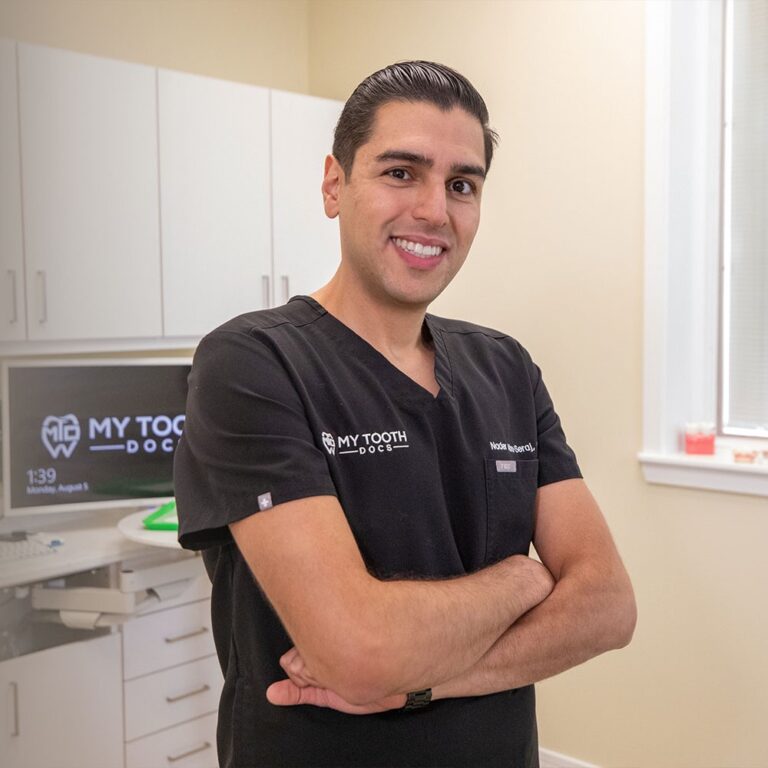
Dr. Nader Abu-Seraj, DMD
Hospital-trained in oral surgery — restoring full-arch smiles across Chicagoland since 2014.
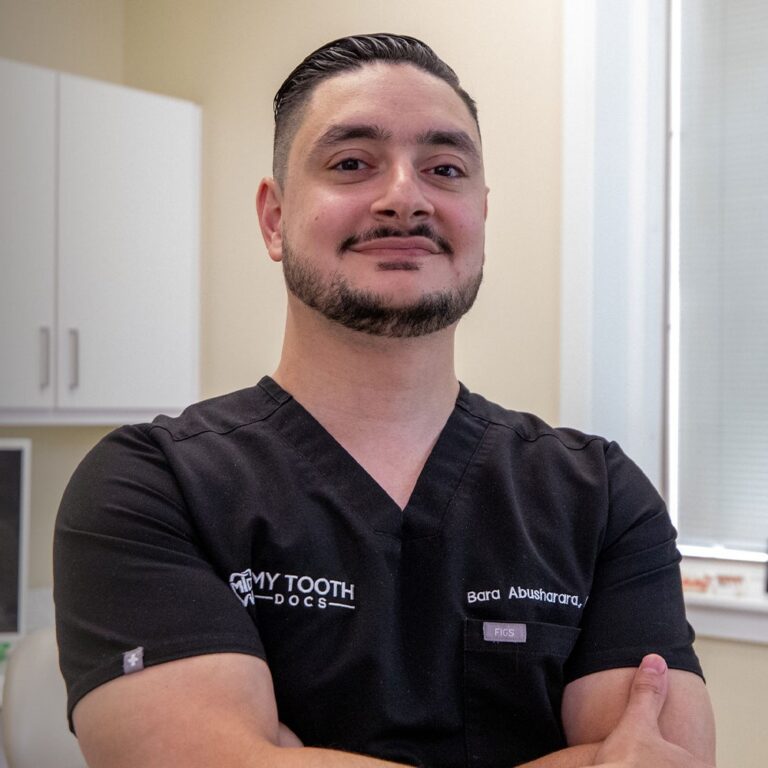
Dr. Bara Abusharara, DMD
Focused on comfortable, personalized implant and restorative dentistry.
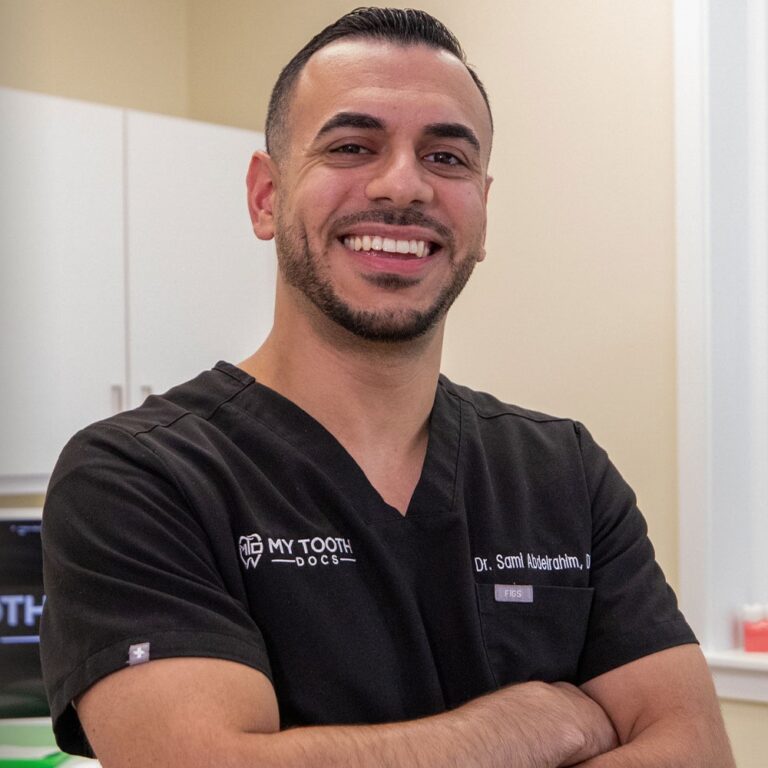
Dr. Sami Abdelrahim, DMD
Helping patients rebuild confident, healthy smiles they’re proud to share.
Why Patients Choose My Tooth Docs
- Advanced 3D imaging & guided implant technology
- Sedation options for a calm, comfortable visit
- Transparent pricing & flexible monthly financing
- One team for surgery, temporaries & final teeth
- Evening & Saturday appointments available
Rated 5.0 on Google
1,100+ Naperville patients trust My Tooth Docs with their smiles — read their stories.
Rated 5.0★ on Google by Naperville Patients
See what patients across Naperville and the western suburbs say about their care — including plenty who arrived in pain and left as believers.
Visit Us in Naperville
Our Route 59 office proudly serves Naperville, Aurora, Plainfield, Bolingbrook, Oswego, and the surrounding western suburbs. Same doctors at every visit — from your first appointment to your final smile.
In the south suburbs? Visit our South Holland root canal office.
Root Canal Treatment in Naperville — FAQ
The procedure itself doesn’t — the tooth is completely numbed, and most patients compare the visit to a long filling. The pain people fear is the infection beforehand, which the root canal removes. Expect mild soreness for a few days afterward, managed with over-the-counter medication.
Nationally, front-tooth root canals typically run $600–$1,100 and molars $1,000–$1,600, plus a crown where needed (reference ranges, not quotes). Insurance usually covers a significant share, and you’ll get exact written pricing before treatment starts.
Classic signs: severe or throbbing toothache, lingering hot/cold sensitivity, pain when chewing, gum swelling or a pimple-like bump, or a darkening tooth. An exam and X-ray confirm it — some infected teeth barely hurt, so don’t rely on pain alone.
Usually 60–90 minutes per visit, completed in one or two visits depending on the tooth and infection severity. Front teeth are often single-visit; molars sometimes take two.
Antibiotics may calm a flare-up temporarily, but they can’t reach bacteria sealed inside the tooth — the infection always returns. Only cleaning and sealing the canals (or extracting the tooth) actually ends it.
Saving your natural tooth is almost always better and cheaper long-term: no gap, no drifting teeth, no bone loss, no replacement to buy. When a tooth genuinely can’t be saved, we’ll say so plainly and walk you through implant and bridge options.
Molars and premolars almost always — treated back teeth become brittle, and a crown prevents the fracture that would cost you the tooth. Front teeth can often be restored with just a filling.
The infection spreads — into the jawbone, neighboring teeth, sometimes the face (an abscess requiring emergency care). The tooth also becomes harder to save the longer you wait. Toothaches that vanish on their own often mean the nerve died, not that the problem left.
Success rates are high, but occasionally a treated tooth gets reinfected years later — a missed canal branch, new decay, or a cracked seal. Retreatment cleans and reseals the canals and frequently saves the tooth a second time.
Wait for the numbness to wear off, then eat soft and chew on the other side until your permanent restoration is placed. After the crown or filling, eat normally — that’s the point of saving the tooth.
Yes — nitrous oxide, oral sedation, and IV options are all available. If fear has kept you in pain for weeks, tell us; treating anxious patients gently is something we take real pride in.
Yes — we hold same-day space for urgent cases at our Naperville office. Severe tooth pain qualifies; call (630) 690-1406 and we’ll get you seen and out of pain fast.