Dental implants are considered one of the most efficient tooth replacement options. Implants are durable and can provide you with an aesthetically pleasing smile; however, the process of dental implant recovery is vital for successful treatment. The duration of the recovery period, recovery after care, and adequate oral hygiene are all significant aspects in the process of recovery after getting dental implants.
Regardless of whether you have just gotten dental implants or are currently in the recovery period, following the dental implants aftercare tips would definitely be beneficial for you.
Let’s discuss what is involved in the process of recovery after getting implants in this blog post.
Understanding the Dental Implant Healing Process
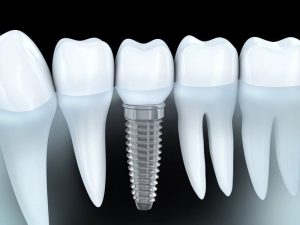
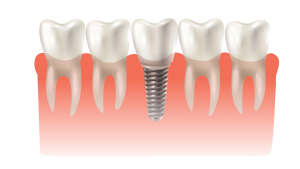
Dental implant integration is key to ensuring the success of an implant. When the implant is embedded into the bone, it will start integrating with the bone structure through a process known as osseointegration. The process takes several months, ranging from 3 to 6 months, based on various factors such as age, general well-being, and jawbone status.
To guarantee proper integration, it is essential to adhere to implant care instructions. As the implant heals, there are likely to be side effects such as swelling, bruising, and pain, which are common. Dental implants aftercare will ease any pain and infections.
Dental Implant Recovery Time: What to Expect
Your dental implant recovery time will vary based on several factors, but most patients can expect the following:
- First week: Expect some swelling and discomfort around the implant site. Ice packs and over-the-counter pain relievers are usually sufficient for managing the pain.
- First month: During the first month, you’ll continue to experience mild discomfort. It’s important to eat soft foods and avoid chewing on the implant site to avoid disrupting the healing process.
- 3 to 6 months: This is when osseointegration occurs, where the implant fuses with your bone. During this time, you’ll need to visit your dentist regularly to ensure everything is healing properly.
The implant aftercare instructions provided by your dentist will help guide you through the recovery process to ensure a smooth and successful outcome.
How to Clean Dental Implants
Dental implant cleaning is an important step in ensuring that no infections arise and that the implants remain successful in the long run. You should know that when your dental implants are installed, you will have to maintain them through proper oral hygiene, including brushing, flossing, and sometimes water flossing.
The following are tips on cleaning dental implants:
- Gentle brushing twice a day: You should brush your dental implants softly every day using a toothbrush with soft bristles. It is advisable not to use hard bristles since they may irritate your teeth.
- Using special floss: Ordinary floss is ineffective in cleaning dental implants since it cannot effectively reach the area where the implant joins your teeth. Therefore, you should always clean using special floss.
- Water flosser: A water flosser will enable you to clean your dental implants efficiently by reaching deep into the gaps in the area.
Implant Maintenance: Keeping Your Implants in Top Condition
To ensure the longevity of your implants, implant maintenance is key. Regular care after the dental implant recovery period will keep your implants functioning as intended for many years.
Here are some tips for maintaining dental implants:
- Visit your dentist regularly: Schedule check-ups every 6 months to ensure that your implants are in good condition and to catch any potential issues early.
- Maintain excellent oral hygiene: Brush and floss daily to prevent plaque buildup and gum disease.
- Avoid harmful habits: Don’t chew on hard objects, such as ice, pens, or nails, which could damage your implants.
- Watch your diet: Stick to healthy foods and avoid excessively sticky or hard foods that could put unnecessary pressure on the implants.
If you need help with implant aftercare instructions, your dentist will guide you on the best methods for caring for implants.
What to Avoid After Dental Implants
Following proper aftercare is essential, but it’s just as important to know what to avoid after dental implants. Certain behaviors can delay healing or cause complications, such as infection or implant failure. Here’s what to avoid after dental implants:
- Smoking: Smoking can significantly delay the healing process and increase the risk of implant failure. It’s best to avoid smoking during the recovery period.
- Hard and sticky foods: Stick to soft foods and avoid chewing on the implant site to prevent disturbing the implant and surrounding tissue.
- Strenuous activities: Avoid heavy physical activity or exercise that could strain your body during the initial recovery period.
- Touching the implant site: Don’t poke or touch the implant area with your fingers or tongue, as this can cause irritation or introduce bacteria.
By adhering to these precautions, you can reduce the risk of complications and speed up the healing process.
The Do’s for Successful Dental Implant Recovery
There are several do’s that will help you recover quickly and successfully:
- Follow aftercare instructions carefully: This includes taking prescribed medications, using saltwater rinses, and keeping your mouth clean.
- Eat soft foods: In the first few weeks, stick to soft foods like yogurt, mashed potatoes, and smoothies to avoid putting pressure on your implant.
- Rest and relax: Give your body time to heal by avoiding strenuous activities.
- Stay hydrated: Drink plenty of water to promote healing and prevent dry mouth, which can lead to complications.
Signs of Implant Failure or Complications
Although dental implants are generally successful, it’s essential to recognize the signs of potential failure or complications:
- Persistent pain or discomfort that doesn’t go away
- Severe swelling or bruising after the first few days
- Signs of infection, such as fever or a bad taste in your mouth
- Implant mobility or looseness
If you experience any of these issues, contact My Tooth Docs immediately to schedule an appointment and address the problem early.
Conclusion
Proper care during the dental implant recovery period is essential for the long-term success of your implants. By following the dental implant healing process, cleaning and maintaining your implants, and avoiding harmful habits, you can ensure a smooth recovery and a healthier smile.
At My Tooth Docs, we’re committed to helping you with implant aftercare and ensuring your dental implants are functioning optimally. If you have any questions or need assistance during your recovery, don’t hesitate to reach out to our team for guidance.
Frequently Asked Questions
1. How long does it take for dental implants to heal?
The healing process typically takes 3 to 6 months, depending on your individual health and the condition of your jawbone.
2. Can I eat normally after getting dental implants?
In the first few weeks, stick to soft foods and avoid chewing directly on the implant site.
3. How often should I clean my dental implants?
Clean your implants twice daily, using a soft-bristled toothbrush and implant-specific floss to remove plaque.
4. What should I avoid during dental implant recovery?
Avoid smoking, eating hard foods, and engaging in heavy physical activity during the recovery period to ensure proper healing.