A brighter smile changes how you feel walking into a room, how often you laugh out loud, and how comfortable you are when someone leans in for a closer conversation. If you live in South Holland and you have been weighing up professional whitening, you have probably asked the honest question first: is it actually worth the money?
This guide answers that properly. It covers what professional whitening really does, what it costs, how safe it is, how many shades you can realistically expect, how long the results hold, and when whitening is the wrong tool entirely. Every number below is either published by the American Dental Association or already published on our own teeth whitening in South Holland page.
Is Professional Teeth Whitening Worth It? (Quick Answer)
For most people with healthy teeth and everyday staining from coffee, tea, red wine or tobacco, yes. The clearest way to see why is a time comparison the ADA cites from a clinical study: an over-the-counter whitening kit took 16 days to reach the same level of whitening as a seven-day professional take-home tray system, and as a single one-day in-office procedure. Same destination, wildly different journey.
Professional whitening is not worth it for everyone, though. If your discoloration comes from inside the tooth, or if the teeth you want brightened are crowns, veneers or fillings, no bleach will change them. That is not a small footnote, and we go through exactly how to tell the difference below.
Why Teeth Turn Yellow in the First Place
Dentists sort tooth discoloration into two groups, and the group your stains fall into decides whether whitening will do anything for you.
Extrinsic stains sit on the outside of the enamel. Coffee, tea, red wine, cola and dark fruits contain intense pigments called chromogens that cling to the enamel surface. Tobacco adds two more: tar, which is naturally dark, and nicotine, which is colorless until it meets oxygen and then turns yellow. These are the stains that respond best to whitening.
Intrinsic stains come from inside the tooth. Aging is the most common cause: enamel gets thinner and more translucent over the years, so the naturally yellower dentin underneath starts to show through. Other causes include tetracycline or doxycycline exposure while adult teeth were still forming, fluorosis, an old injury that made a tooth lay down extra dentin, some antihistamines and blood pressure medications, and head or neck radiation.
Most yellowing is simply a normal part of getting older and enjoying your coffee. It is not a sign you have done something wrong.
Will Whitening Actually Work on Your Stains?
This is the part most whitening pages skip. The ADA consumer guidance on teeth whitening puts it bluntly: yellow teeth usually bleach well, brown teeth may not respond as well, and teeth with gray tones may not bleach at all. Whitening also will not work on crowns, veneers, bonding or fillings, and it is unlikely to help when the discoloration was caused by medication or an injury.
That single sentence saves a lot of disappointment. A five minute exam and shade check tells us which category you are in before you spend anything, which is the main reason we insist on looking first.
What Professional Teeth Whitening Actually Is
Professional whitening uses a dentist-grade gel, either hydrogen peroxide or carbamide peroxide, to oxidize the pigment molecules trapped in your enamel and dentin. The chemistry is the same as a drugstore kit. The concentration, the fit and the supervision are not. At our South Holland office you have two routes.
In-Office Zoom Whitening
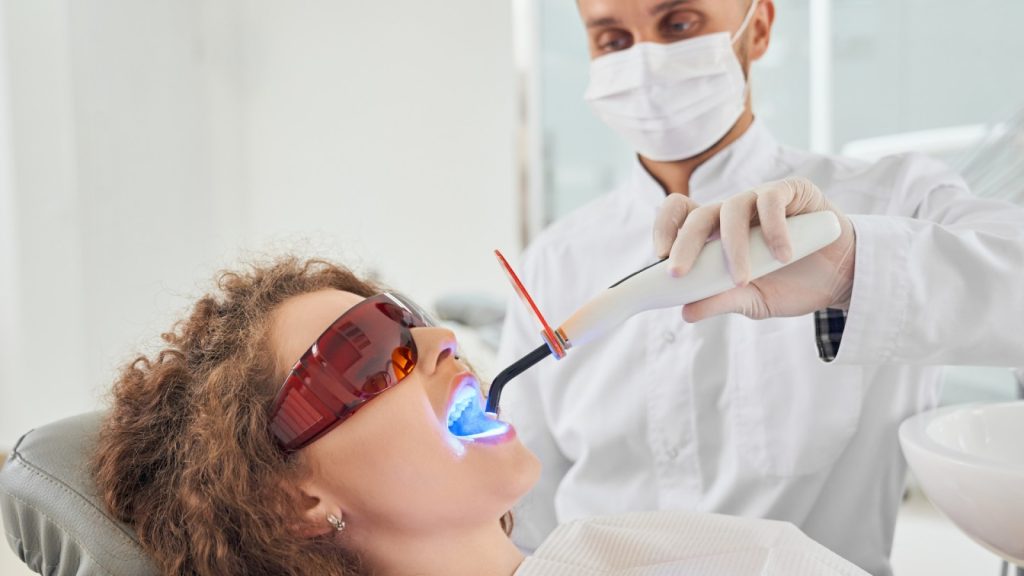
This is done in a single visit, and the process on our South Holland whitening page runs in five steps: an exam and shade match, gum and lip protection, gel application, three short light-activated cycles of about 15 minutes each with the gel refreshed between them, and a final shade reveal. Total chair time is about an hour, and most patients lift six to eight shades in that one visit.
You can drive yourself home afterwards and go straight back to work. It is the option patients book before a wedding, a reunion, an interview or a photo session, because it works to a deadline.
Custom Take-Home Whitening Trays
We take impressions and make trays molded precisely to your teeth, then send you home with professional-grade gel. Because the tray hugs each tooth, the gel stays where it belongs instead of leaking onto your gums. Results build over one to two weeks. The ADA notes that dentist-supplied home systems typically use 10 to 38 percent carbamide peroxide, with daily wear times and course lengths set by the concentration.
Trays are also the cheapest possible maintenance: keep them, and a night or two of wear months later brings the brightness back without a new appointment.
How That Compares With Drugstore Strips
Over-the-counter kits use deliberately weaker peroxide and one-size-fits-all trays or strips, so the gel makes uneven contact and often misses the gaps between teeth entirely. Whitening toothpastes are a different product again: they work mainly through mild abrasives that scrub surface stain, and the ADA is clear that they do not change the underlying color of the tooth.
| In-Office Zoom | Custom Take-Home Trays | Drugstore Strips | |
|---|---|---|---|
| Time to result | About 1 hour | 1–2 weeks | 16 days in the study the ADA cites |
| Gel strength | Highest, dentist applied | Professional grade, 10–38% carbamide peroxide | Lowest concentration |
| Fit and evenness | Applied tooth by tooth | Molded to your teeth | Generic, slips and streaks |
| Gum protection | Barrier placed first | Tray keeps gel off the gums | None |
| Exam first | Yes | Yes | No |
| National cost range* | $300–$800 | $200–$500 | $20–$60 |
*National reference ranges published on our teeth whitening in Naperville page, not quotes. Your price is confirmed before anything starts.
How Much Does Professional Teeth Whitening Cost?
Nationally, in-office professional whitening typically runs about $300 to $800, and custom take-home tray systems about $200 to $500. Those are the same reference ranges we publish on our own whitening pages, and they are ranges rather than prices for a reason. What moves your number:
- Which treatment you choose. One in-office session, trays, or an in-office session plus trays for maintenance.
- Your starting shade. Deeper or more stubborn staining can need a longer course. Tetracycline staining, for example, can take three to four months of nightly tray wear.
- Work that has to come first. Whitening over untreated decay or inflamed gums is genuinely uncomfortable, so a filling, a root canal or a cleaning may need to happen before we start.
- Existing dental work. If a crown sits in your smile line, matching everything up becomes part of the plan.
Insurance almost never covers whitening, because it is classed as a cosmetic procedure rather than a medically necessary one. It is also one of the least expensive cosmetic treatments in dentistry, and treatment can be split into fixed monthly payments through Cherry financing. If cost is the deciding factor, our guide to affordable cosmetic dentistry in South Holland lays out the cheaper routes to a better smile.
Is Professional Teeth Whitening Safe?
Used as directed and under dental supervision, yes. The ADA lists temporary tooth sensitivity and gum inflammation as the most common adverse effects, and characterizes them as mild and transient. Transient mild to moderate sensitivity can affect up to two thirds of people in the early stages of a course. With tray or strip treatments it tends to appear two to three days in and settle by about the fourth day.
Two details are worth knowing before you assume stronger is better. First, a recent systematic review of in-office whitening found that lower hydrogen peroxide concentrations produced less sensitivity and a greater objective color change than higher ones. Second, overuse of any whitener, professional or drugstore, can irritate gums and wear on enamel. The point of supervision is that someone is choosing the concentration and the schedule for your mouth rather than for the average mouth.
One common misunderstanding is worth clearing up. The ADA Seal of Acceptance is a voluntary program for over-the-counter products such as whitening toothpastes and strips. Gels supplied or applied by your dentist are classed as professional products and are not eligible for the Seal, so its absence says nothing about them. Look for the Seal when you are buying whitening off a shelf, not when your dentist hands you a tray.
Whitening With Sensitive Teeth
If cold drinks already make you wince, sensitivity is the thing standing between you and a brighter smile. It rarely rules whitening out. It changes how we run it:
- A lower-strength gel, which the evidence above suggests may whiten better anyway.
- Shorter sessions, or a slower tray schedule spread over more days.
- A desensitizing gel or fluoride application before and after treatment.
- Custom trays rather than strips, so almost none of the gel touches your gums.
- A sensitivity toothpaste in the days around treatment.
Tell us about it at the exam rather than halfway through. A plan built around your comfort from the start makes a real difference.
How Many Shades Whiter Will You Get?
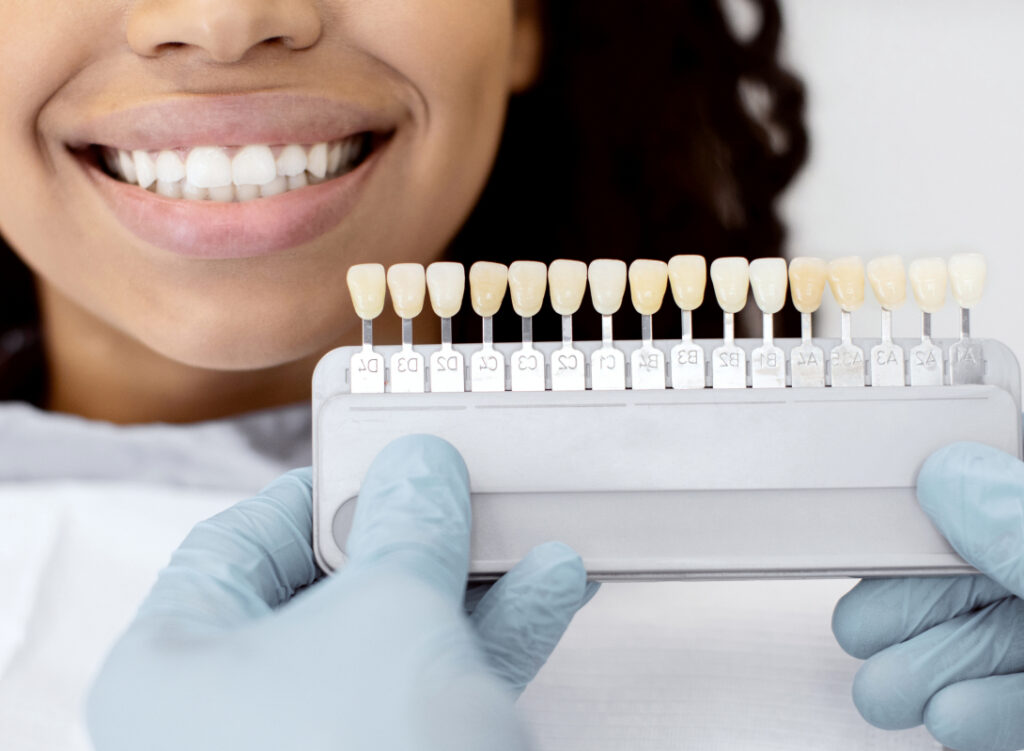
With in-office Zoom whitening, most patients lift six to eight shades in a single visit. That is why we record your starting shade against a shade guide before the gel goes anywhere near your teeth: it turns an opinion at the end of the appointment into a measurement.
The realistic target is not the whitest tab on the guide. It is a shade that still reads as teeth on your face, especially if you already have dental work that has to blend in. Our dentists will tell you what is achievable for your particular staining before you commit, and if the honest answer is not much, you will hear that too.
How Long Do the Results Last?
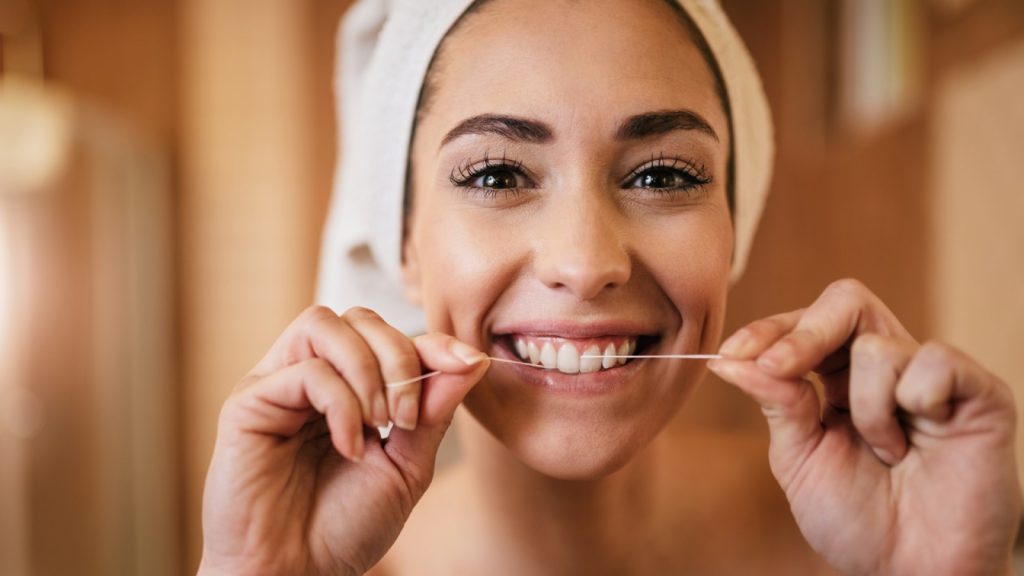
Whitening is not permanent, because the same coffee, tea and red wine that dulled your teeth the first time keep working. Across both of our whitening pages the honest range is about six months to two years, and where you land inside that band is almost entirely down to habits.
What extends it:
- Cutting back on coffee, tea, red wine and cola, or drinking them through a straw.
- Avoiding tobacco, which restains faster than anything else on the list.
- Brushing twice a day, flossing, and keeping up regular cleanings at our South Holland general dentistry office.
- Occasional touch-ups with the take-home trays you already own.
The first 48 hours matter most, because freshly whitened enamel picks up pigment more readily. Our full teeth whitening aftercare guide covers what to eat, what to avoid and how to handle touch-ups.
When Whitening Is the Wrong Tool
Sometimes bleach cannot reach the problem, and knowing that in advance is worth more than any discount.
- A single dark tooth after an injury. A tooth that has lost its nerve does not respond to external whitening. The technique that works is internal bleaching, done from inside the tooth.
- Deep intrinsic staining. Removing pigment that sits within the dentin is close to impossible from the outside. Porcelain veneers in South Holland cover what bleaching cannot lift.
- Chips, gaps and uneven shapes. Whitening only changes color. If shape or spacing is part of what bothers you, a smile makeover combining treatments gets you further than whitening alone.
- Restorations in the smile line. Crowns, veneers and fillings hold their color. Whitening your natural teeth around older dental work can make the mismatch more obvious, so the sequence matters: whiten first, then match the new restoration to the new shade.
All of these sit under cosmetic dentistry in South Holland, and the right answer is usually obvious once someone has actually looked.
So, Is It Worth It? The Honest Verdict
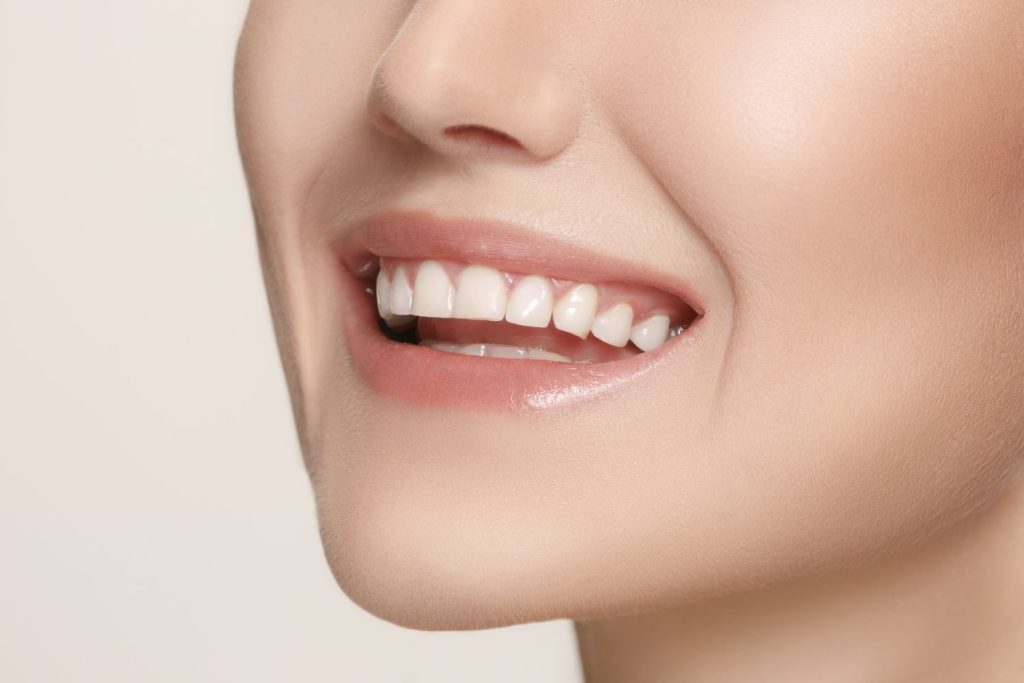
Professional whitening is worth it if your teeth and gums are healthy, your staining is the everyday extrinsic kind, your front teeth are natural rather than restored, and you want a visible change on a timeline rather than a maybe-difference after a month of strips. For that person it is fast, measurable, and one of the least expensive cosmetic treatments available.
It is probably not worth it if your discoloration is gray-toned or medication related, the teeth you want whiter are crowns or veneers, or you have untreated decay or gum inflammation that should be dealt with first. Spending $300 to $800 on a result that was never chemically possible is the outcome we most want you to avoid, and it is the reason the exam comes before the gel.
Professional Teeth Whitening in South Holland
At My Tooth Docs, every whitening treatment is overseen by our own dentists, including Dr. Bara Abusharara, DMD. We check that your teeth are whitening-ready, record your starting shade, talk through what is realistically achievable for your staining, and recommend in-office Zoom, custom trays, or a combination. Whitening is one part of the wider dental services we offer in South Holland.
Call (708) 333-2909 or book an appointment at 16240 Louis Ave, South Holland, IL 60473. Our South Holland office is open Tuesday 9am to 2pm, Wednesday 11am to 7pm, Thursday 8am to 7pm, and Friday and Saturday 8am to 1pm.
Frequently Asked Questions
Is professional teeth whitening worth the money?
For most people with healthy teeth and everyday staining from coffee, tea, wine or tobacco, yes. In one study cited by the American Dental Association, an over-the-counter kit needed 16 days to match what a professional take-home tray system achieved in seven days and an in-office treatment achieved in one. You also get an exam first, so you know whether whitening can work for your type of staining before you pay for it.
How much does professional teeth whitening cost?
Nationally, in-office whitening typically runs about $300 to $800 and custom take-home trays about $200 to $500. Those are reference ranges rather than quotes. Your exact price depends on the treatment you choose, how stubborn your staining is, and whether any dental work needs to happen first.
Does teeth whitening damage tooth enamel?
Used as directed and under dental supervision, professional whitening is not expected to weaken healthy enamel. The most common side effects the ADA reports are temporary tooth sensitivity and gum inflammation, both usually mild and short lived. Overusing any whitener, professional or over the counter, can irritate the gums and wear on enamel, which is why the schedule should be set by a dentist.
How many shades whiter will my teeth get?
Most patients lift six to eight shades with a single in-office Zoom session. Your starting shade is recorded against a shade guide before treatment so the change is measured rather than guessed. Deeper staining may need more than one session or a course of take-home trays.
How long do professional whitening results last?
About six months to two years, depending on your diet and habits. Coffee, tea, red wine and tobacco shorten it. Regular cleanings and occasional touch-ups with custom trays extend it. The first 48 hours after treatment matter most, because freshly whitened enamel picks up pigment more easily.
Can I whiten my teeth if I have crowns, veneers or fillings?
Whitening only changes natural tooth enamel, so crowns, veneers, bonding and fillings keep the color they were made in. If you have dental work in your smile line, whiten the natural teeth first and then match any new restoration to the new shade. Sometimes veneers are the better route for the whole smile.
Is teeth whitening safe for sensitive teeth?
Usually, yes. Tell your dentist about the sensitivity before treatment starts. A lower strength gel, shorter sessions, a desensitizing gel or fluoride, and custom trays that keep gel off the gums all make whitening comfortable for sensitive teeth. Research on in-office whitening suggests lower peroxide concentrations can cause less sensitivity while still producing a good color change.
Will whitening work on gray or brown teeth?
Not reliably. ADA consumer guidance notes that yellow teeth usually bleach well, brown teeth may respond less, and teeth with gray tones may not bleach at all. Discoloration caused by medication or an old injury also tends not to respond. In those cases veneers or bonding are the treatments that actually change the color you see.
This article is general information, not personal dental advice. Whether whitening is right for you depends on an examination of your teeth and gums. Please speak to a dentist about your own situation.
Keep Reading